Dry plate photography is a process in which glass plates are coated with a light sensitive emulsion which reacts to light. Dry plate came after Wet plate photography in which a glass plate was coated with an emulsion called Collodion. A liquid made of several different chemicals. Once the plate was coated with collodion it would then need to be taken into a dark room and be submerged into a silver nitrate bath to make it light sensitive, after loading your plate holder with the ready to go plate you have minimal time in which to take and develop your image often as little as 10 minutes. The dry plate process made this much more practical and portable, as there was no time limit. This enabled photographers to load their plate holders at home in a darkroom take them with them and shoot the images they want and to return home to develop them, without the need to carry around chemicals and excess gear associated with the wet plate process like the need to have a makeshift darkroom on site.
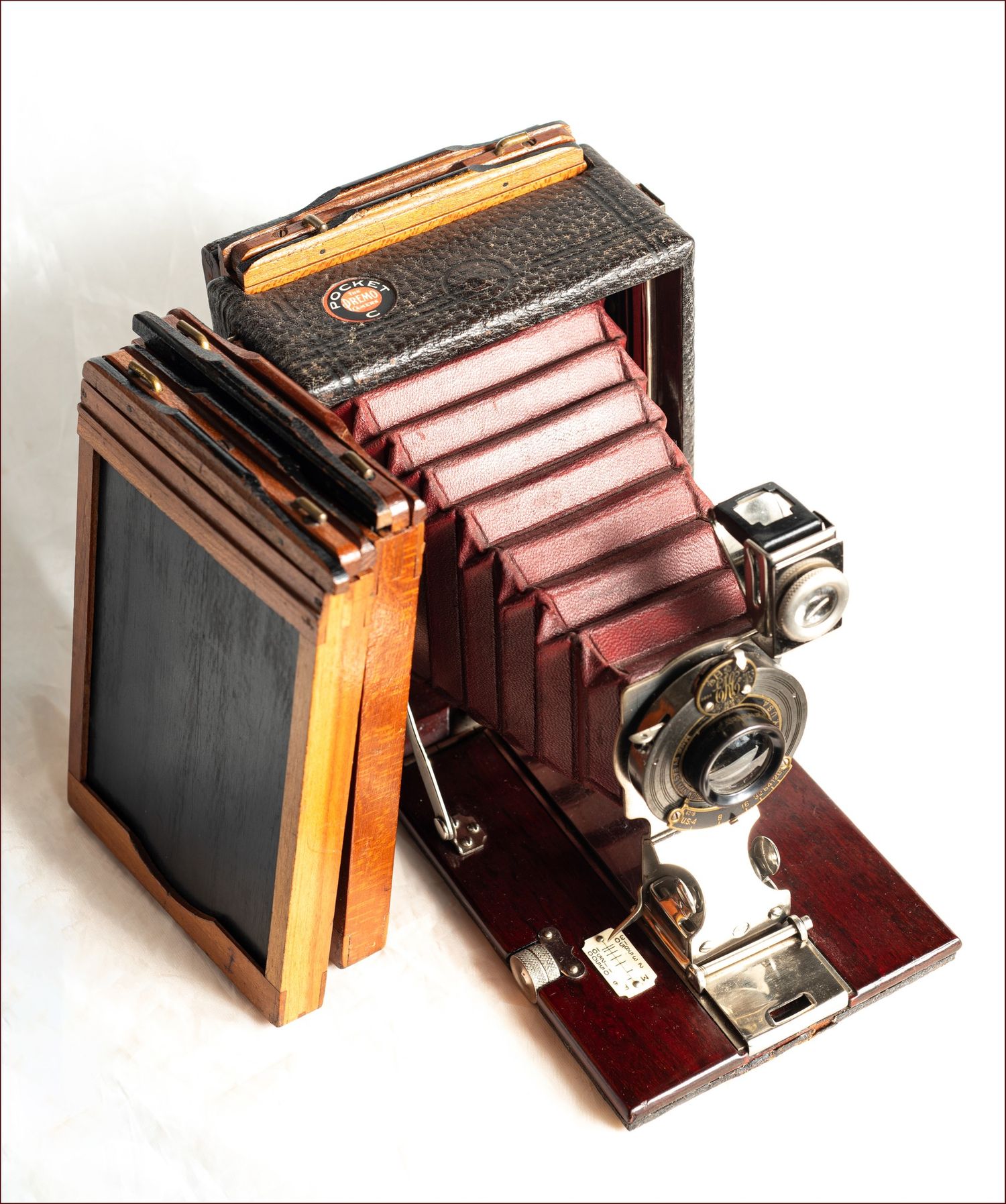
Kodak Pocket Premo C
This is the camera I use to take my dry plate images, Over 110 years old and still producing great images.
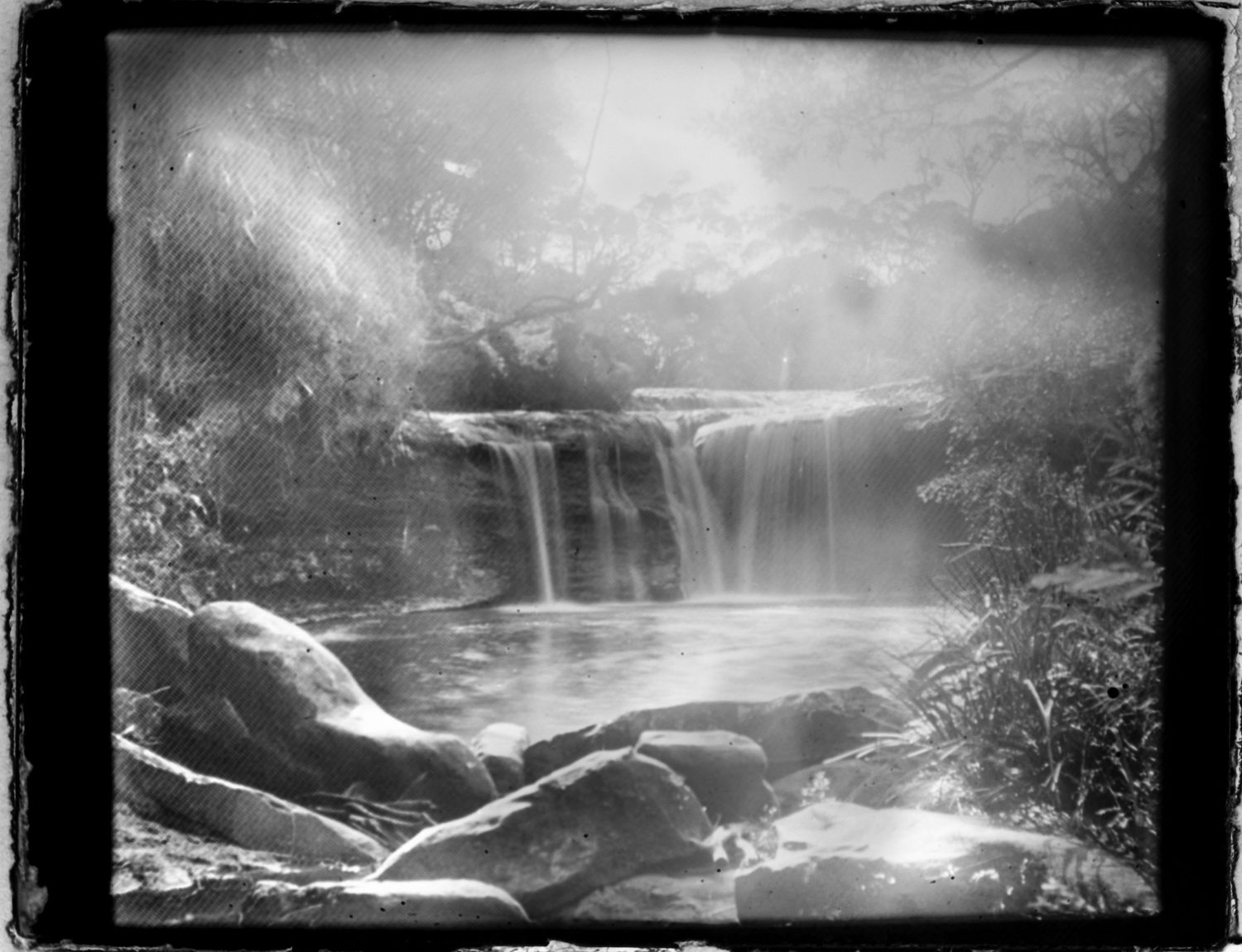
Nellies Glen
My very first dry plate image, Nellies Glen, Carrington Falls, Robertson NSW.
Although this is far from perfect, This is one of my proudest images, There was no better feeling then to see this image appear on the glass in the developing process. Truly magical
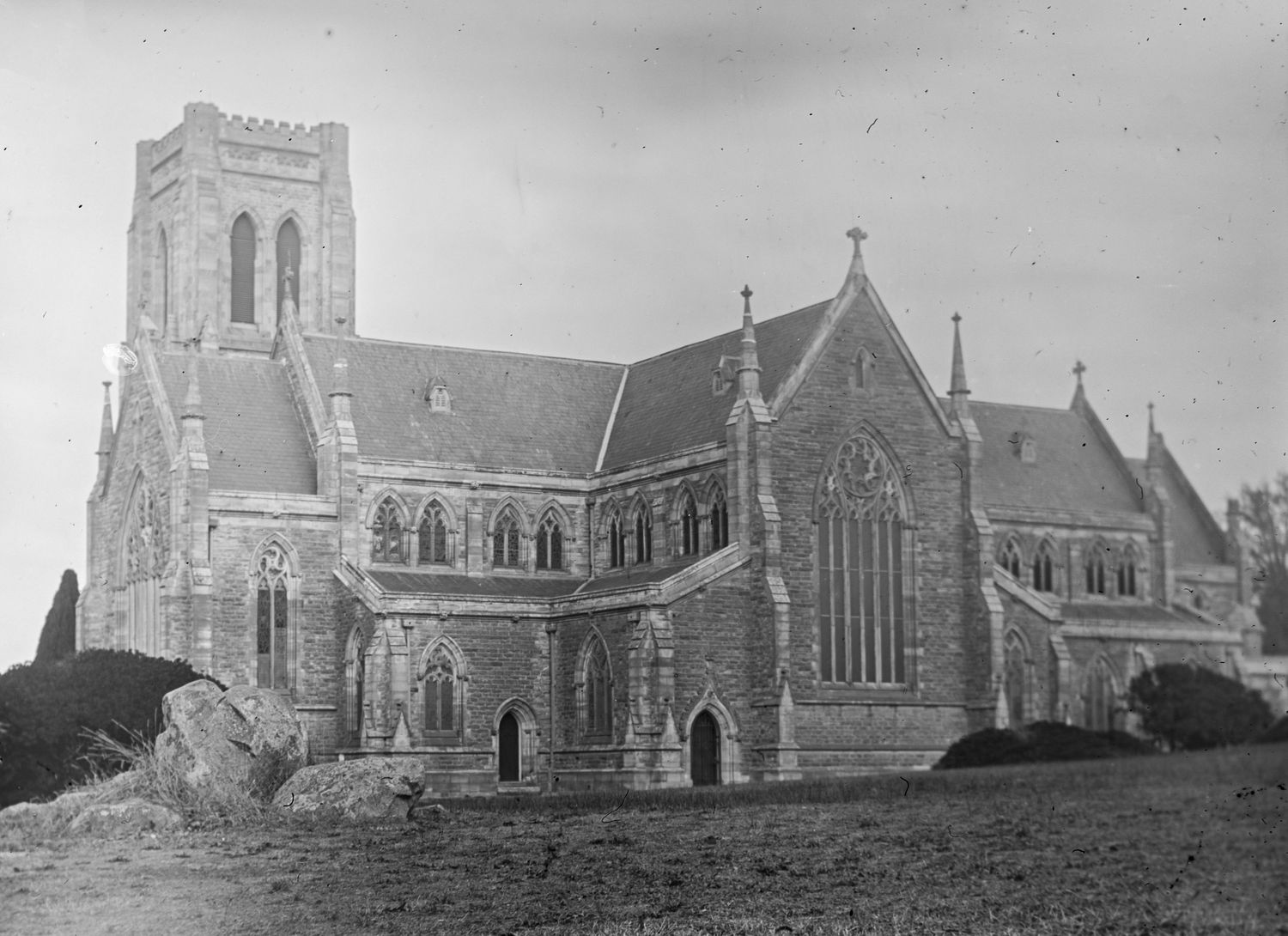
St Saviours Cathedral
My second Image, St Saviours Cathedral, Goulburn NSW.
Alot learnt from my first image of Nellies Glen, and with a fantastic subject I was truly impressed by this image
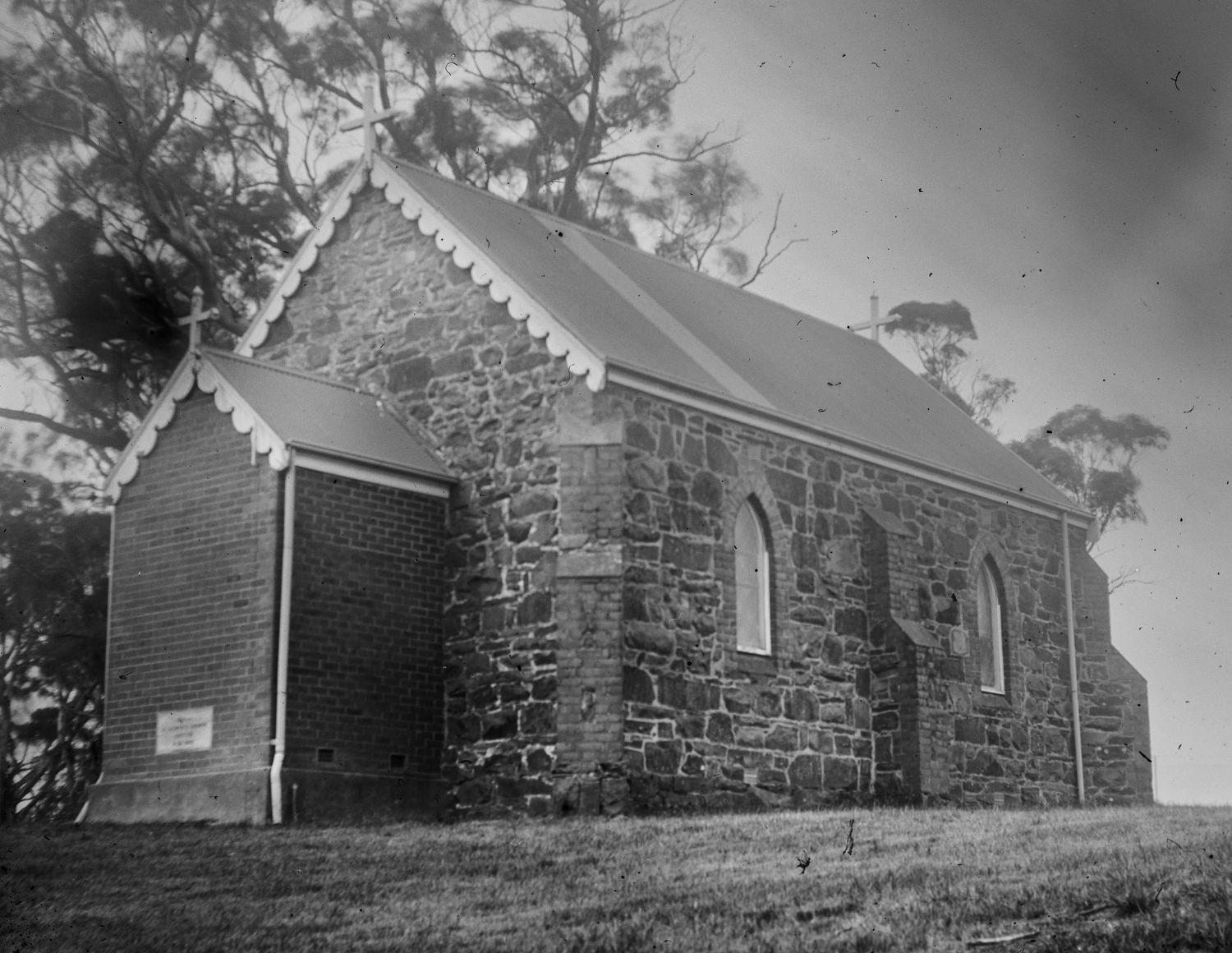
St George's Anglican Church
My most recent dry plate image depicts the St George Anglican Church in Kialla, NSW. Built in 1903
My passion for photography has led me to this process of Dry plate photography and with my ever growing collection of vintage cameras and accessories I now have all the gear to take and develop photographs using this process. The camera I use is a vintage Kodak pocket premo C made between 1906 and 1916. This camera uses Quarter size plates or 3 1/4 x 4 1/4 inches, 83mm x 108mm.
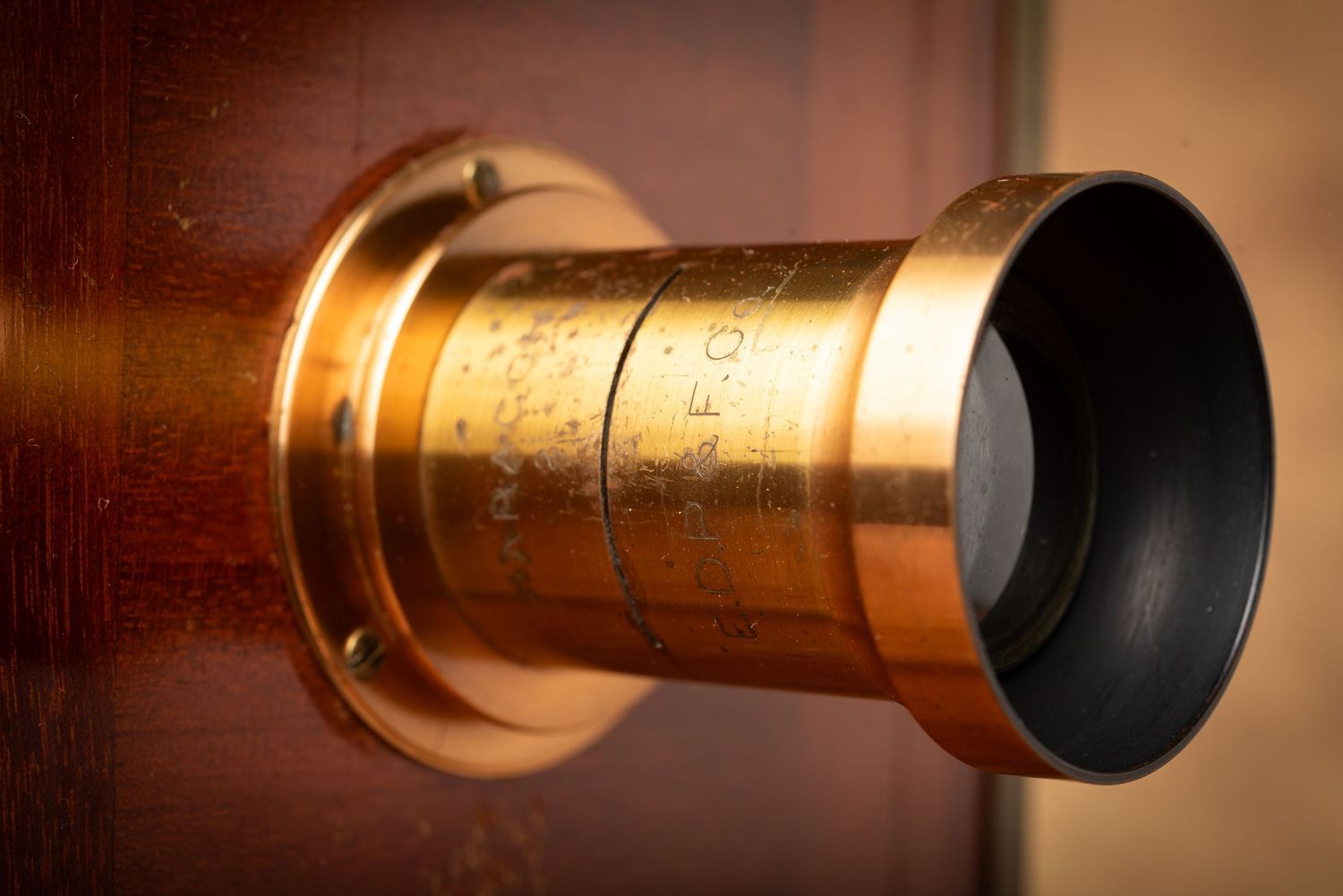
My favourite vintage camera I own is from 1887 made by The Eastman Dry Plate & Film Co. in 5x8. With only 404 made and only 75 in this size. I am working at getting a plate holder made and some plates so that I can start to use this camera. In time I would like to expand from Glass plates to Tin Type photography in which an image is taken on a piece of tin and is developed in which there isn't a negative but a direct positive. This process will enable clients to go through the whole process and to watch the image appear before their eyes and to be able to take that image home with them.
These early photographic processes are where it all began and for me a lost art. With modern technology and everyone having a camera on their phone photography has lost its meaning.
Now it is time to bring this vintage process into the modern era and to appreciate photography for how it started.